How to Protect Basements and Foundations from Water Leakage
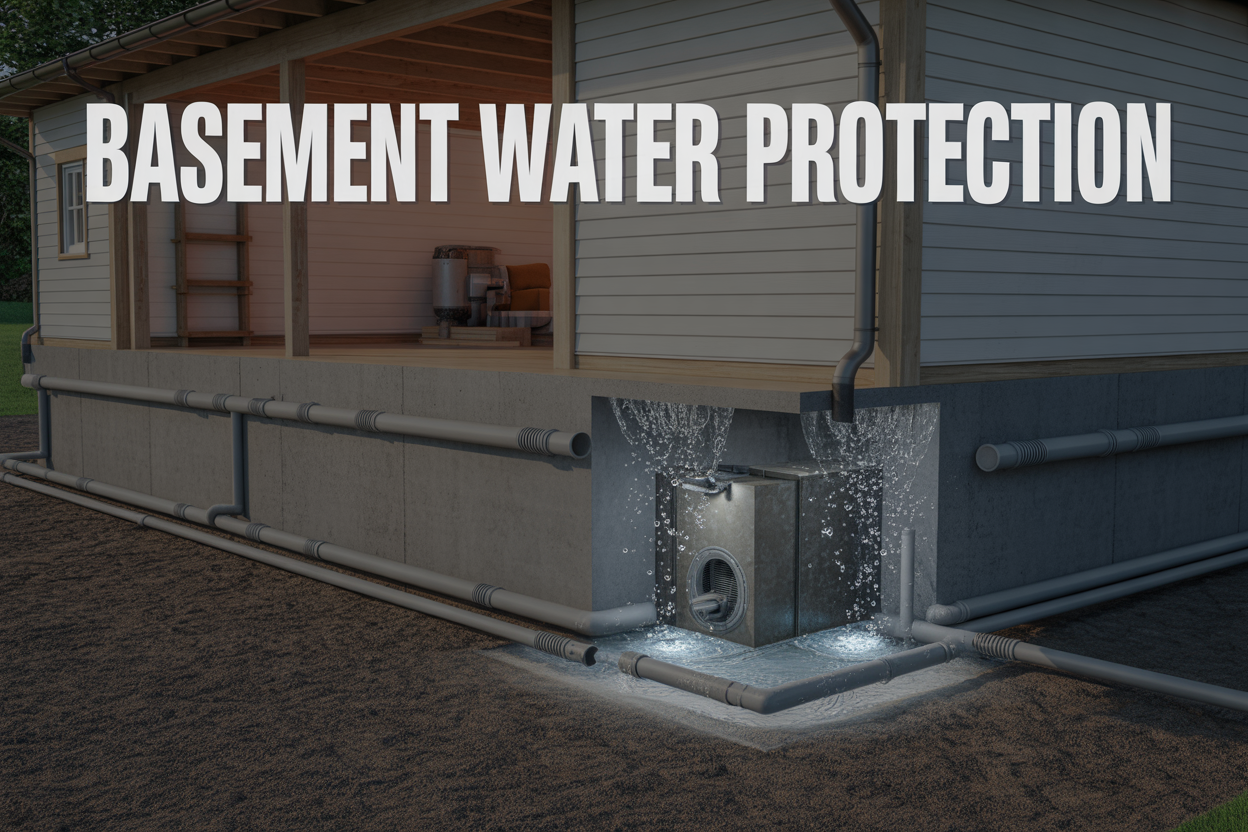
Water damage in basements and foundations can turn into expensive nightmares for homeowners and property managers. This guide covers essential basement waterproofing strategies and prevention techniques to keep your property dry and structurally sound.
Who This Guide Helps:
-
Homeowners dealing with damp basements or foundation issues
-
Property managers overseeing multiple buildings
-
DIY enthusiasts wanting to prevent water problems before they start
You'll learn how to spot early warning signs of water damage before minor issues become major repairs. We'll walk through proven exterior drainage solutions that redirect water away from your foundation. Plus, you'll discover when to tackle interior waterproofing methods yourself and when to call in professional waterproofing services for complex problems.
The key is catching problems early and taking the right preventive steps. Let's dive into protecting your basement and foundation from water leakage.
Identify Early Warning Signs of Water Damage
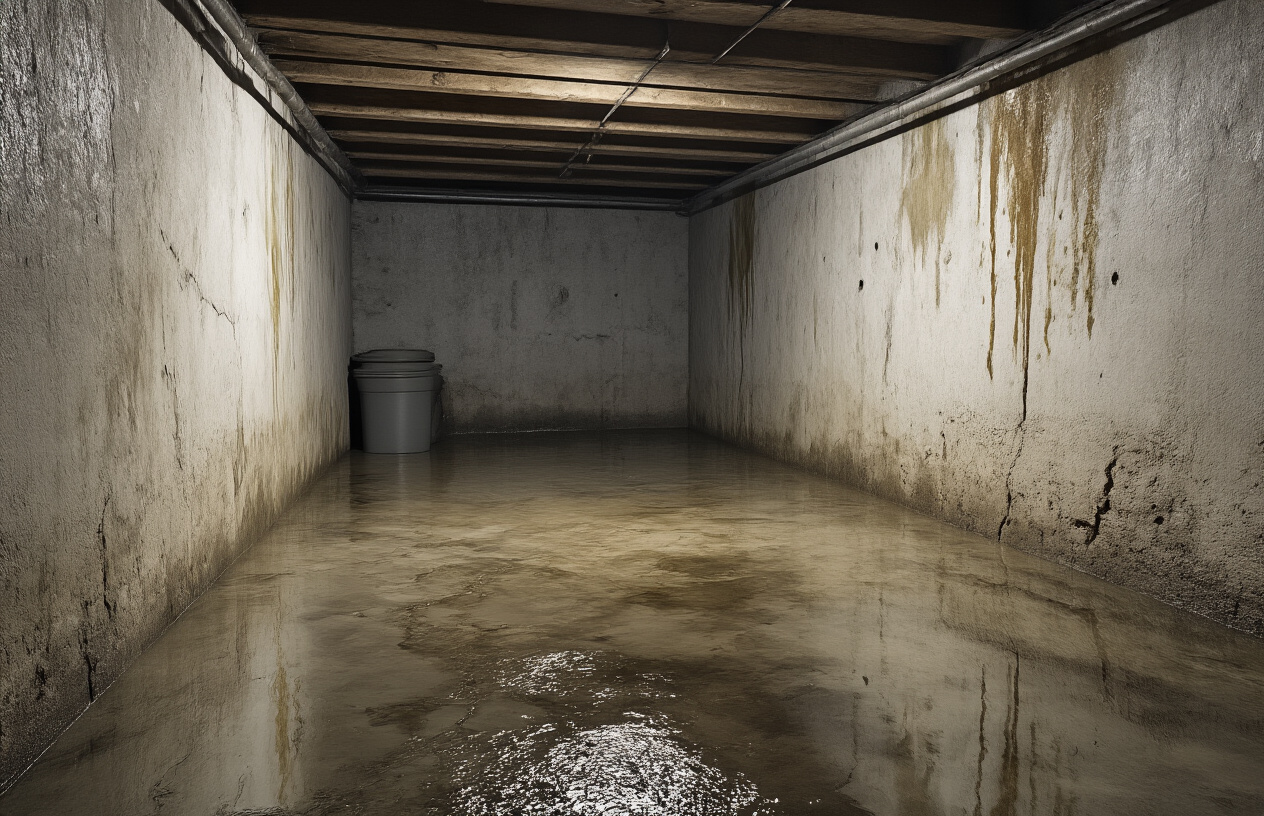
Recognize moisture stains and discoloration on walls
Water stains and discoloration serve as your basement's first cry for help. These telltale signs typically appear as brown, yellow, or rust-colored patches on walls, often starting near the foundation line where water first makes its unwelcome entrance. Fresh water damage usually creates darker, wet-looking spots, while older intrusion leaves behind faded rings or streaks that expand outward from the initial breach point.
Pay special attention to corners where walls meet floors, as these areas collect the most moisture due to hydrostatic pressure. White or grayish stains often indicate mineral deposits left behind as water evaporates, creating a chalky residue on concrete or masonry surfaces. These mineral buildups not only signal water penetration but also weaken the structural integrity of your foundation over time.
Professional basement waterproofing experts recommend checking these areas monthly, especially after heavy rainfall or snowmelt. Take photos of suspicious spots to track their growth patterns - expanding stains mean your water problem is getting worse and needs immediate attention.
Detect musty odors indicating hidden water intrusion
Your nose knows when something's wrong in the basement. That distinctive musty, earthy smell isn't just unpleasant - it's a warning signal that moisture has created the perfect breeding ground for mold and mildew. This odor typically develops within 24-48 hours of water intrusion, making it one of the earliest detection methods available.
The smell becomes particularly noticeable in enclosed spaces with poor ventilation. Walk through your basement regularly, especially in corners, behind stored items, and near utility areas where pipes and HVAC systems might create condensation. A sudden increase in humidity or that swamp-like smell during certain weather conditions points to water finding its way inside your foundation.
Don't ignore these odors even if you can't see visible water damage. Hidden moisture behind walls, under flooring, or within insulation can cause significant structural damage while remaining completely invisible. Professional waterproofing services often use moisture meters and thermal imaging to locate these hidden problem areas that your nose detected first.
Spot cracks in foundation walls and floors
Foundation cracks are like fault lines in your home's defense system - they create direct pathways for water to enter your basement. Hairline cracks might seem harmless, but they can quickly expand under freeze-thaw cycles and hydrostatic pressure from surrounding soil.
Horizontal cracks pose the greatest threat, as they typically indicate serious structural stress from soil pressure or settling. These cracks often appear along mortar joints in block foundations or across concrete walls. Vertical cracks, while less structurally concerning, still provide entry points for water and should be monitored closely.
Measure and photograph any cracks you discover, noting their length, width, and exact location. Use a coin for size reference in your photos - cracks wider than a quarter require immediate professional evaluation. Step cracks that follow a stair-step pattern along mortar joints in block walls indicate differential settling and need prompt attention.
Floor cracks deserve equal attention, particularly those that appear wet or have water seeping through them. These often develop where the floor meets the wall or around floor drains and sump pump installations.
Notice efflorescence and mineral deposits
Efflorescence appears as white, chalky powder or crystalline deposits on basement walls and floors. This occurs when water dissolves minerals within concrete or masonry, then evaporates and leaves these minerals behind on the surface. While not immediately dangerous, efflorescence clearly indicates water is penetrating your foundation materials.
These deposits often look like salt stains and can be brushed off easily when dry. However, the underlying water intrusion continues to weaken your foundation's structure. Look for efflorescence around window wells, along the foundation's base, and near any visible cracks or joints.
Heavy efflorescence buildup suggests ongoing water problems that require professional industrial waterproofing solutions. The constant cycle of water penetration and mineral deposit formation gradually breaks down concrete and mortar, creating larger openings for more serious water intrusion.
Similar to terrace waterproofing applications, basement water protection requires addressing both visible symptoms and underlying moisture sources to prevent recurring problems.
Implement Proper Exterior Drainage Solutions

Install and maintain effective gutter systems
Gutters serve as your home's first line of defense against water damage, directing rainwater away from your foundation before it can cause problems. A well-designed gutter system captures water from your roof and channels it through downspouts to safe drainage areas at least six feet from your foundation walls.
When choosing gutters, consider materials like aluminum, steel, or copper based on your climate and budget. Aluminum gutters offer excellent corrosion resistance and work well in most environments, while steel provides superior durability for areas with heavy rainfall or snow loads. Size matters too – homes in regions with intense storms should consider 6-inch gutters instead of standard 5-inch systems to handle higher water volumes.
Key maintenance practices include:
-
Clean gutters twice yearly, removing leaves, debris, and sediment buildup
-
Check for proper slope (¼ inch per 10 feet toward downspouts)
-
Inspect joints and seals for leaks or separation
-
Ensure downspouts extend far enough from the foundation
-
Install gutter guards to reduce debris accumulation
-
Replace damaged sections immediately to prevent overflow
Professional waterproofing services often recommend seamless gutters to minimize leak points and improve water flow efficiency. These systems reduce maintenance requirements and provide better long-term protection for basement waterproofing efforts.
Grade soil away from foundation walls
Proper grading creates a natural slope that directs surface water away from your home's foundation, preventing water from pooling against basement walls. The ideal grade should slope at least 6 inches over the first 10 feet from your foundation, maintaining this decline for optimal drainage.
Start by examining the soil around your home's perimeter. Look for areas where water collects after rainfall or where the ground slopes toward your foundation. These problematic zones require immediate attention to prevent water infiltration and potential structural damage.
Effective grading techniques include:
-
Adding clean fill dirt to create proper slope angles
-
Compacting soil layers to prevent settling
-
Installing landscape fabric before adding topsoil
-
Using clay-rich soil near foundations for better water resistance
-
Creating swales or channels to direct water flow
| Soil Type | Drainage Rate | Foundation Suitability | Maintenance Needs |
|---|---|---|---|
| Clay | Slow | Excellent barrier | Moderate |
| Sandy | Fast | Requires amendments | High |
| Loam | Moderate | Good with proper slope | Low |
The grading work should integrate seamlessly with your landscaping while maintaining effective water management. Avoid creating steep slopes that promote erosion, and consider installing retaining walls in areas with significant elevation changes.
Create French drains for excess water diversion
French drains provide an underground solution for managing groundwater and surface water that threatens your foundation's integrity. These systems consist of perforated pipes surrounded by gravel, installed in trenches that redirect water away from problem areas.
Install French drains around your foundation's perimeter when dealing with persistent water issues that surface grading cannot address. The system works by collecting water through the perforated pipe and channeling it to a safe discharge point, such as a storm drain or dry well located away from your home.
Installation components include:
-
Perforated drain pipe (4-6 inches in diameter)
-
Geotextile fabric to prevent soil infiltration
-
Clean gravel (¾ inch to 1½ inch diameter)
-
Proper pipe bedding and backfill materials
The trench depth typically ranges from 18-24 inches, with the pipe installed at a consistent grade of 1-2% slope toward the discharge point. Cover the pipe with gravel, wrap with fabric, and backfill with soil, ensuring the system remains accessible for future maintenance.
For basement waterproofing applications, interior French drains can complement exterior systems by managing water that penetrates through foundation walls. These interior systems connect to sump pumps, providing continuous water removal during heavy precipitation events.
Professional waterproofing services often recommend combining French drains with other drainage solutions for comprehensive water management. This integrated approach addresses multiple water entry points and provides redundant protection for your foundation and basement areas.
Apply Interior Waterproofing Methods
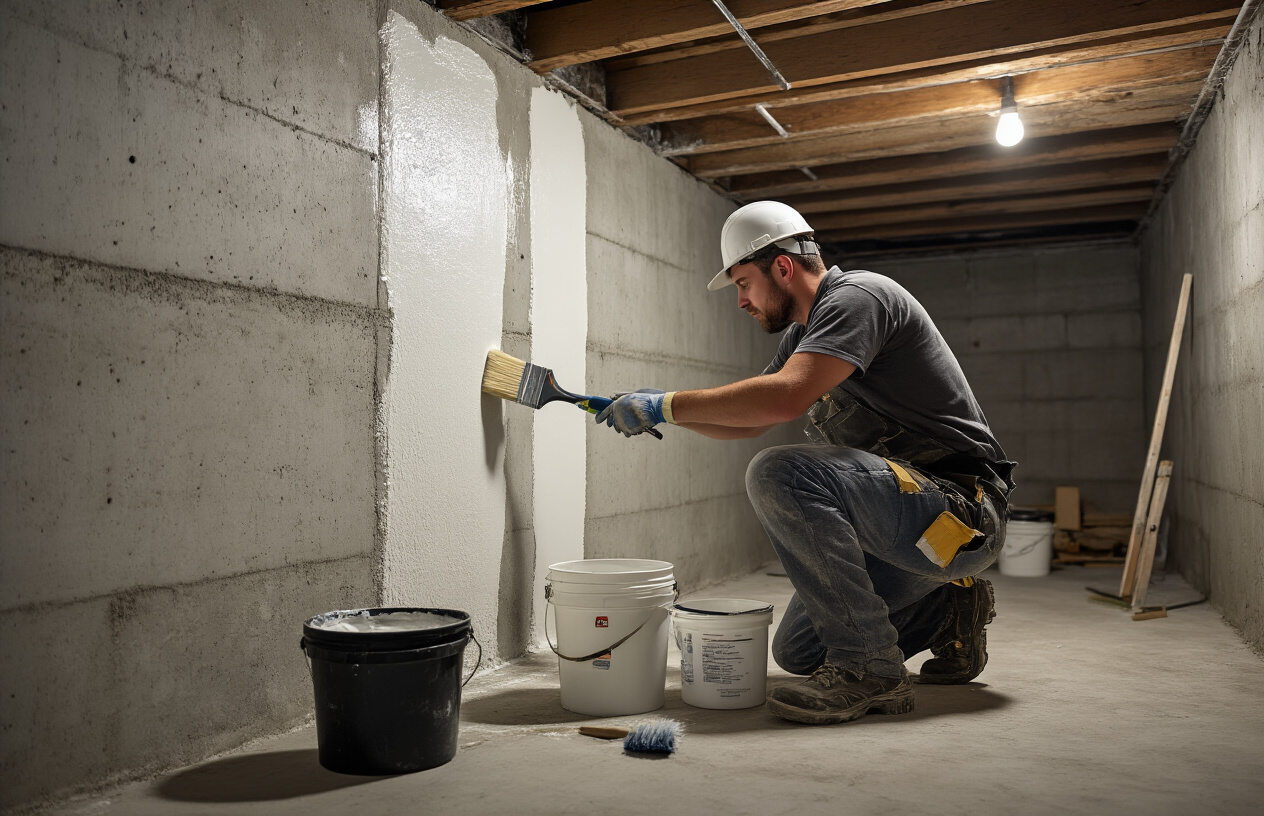
Seal basement walls with waterproof coatings
Waterproof coatings create a protective barrier between your basement walls and moisture infiltration. These specialized products penetrate deep into concrete pores, forming a seamless shield that blocks water from seeping through foundation walls. When selecting coatings for basement waterproofing, consider the specific conditions of your space.
Epoxy-based sealers work exceptionally well for concrete block foundations, while elastomeric coatings provide flexibility for walls that experience minor movement. Silicate sealers chemically react with concrete to create a permanent waterproof layer. Before application, clean walls thoroughly and repair any surface damage. Apply coatings during dry weather conditions, ensuring proper ventilation throughout the process.
Install interior drainage systems and sump pumps
Interior drainage systems redirect water away from your foundation before it can cause damage. French drains installed along the basement perimeter collect groundwater and channel it toward a sump pump basin. This approach proves particularly effective when exterior excavation isn't feasible.
Modern sump pump systems include backup power sources and water level alarms for added protection. Choose pumps with adequate horsepower for your basement size – typically 1/3 HP for most residential applications. Install check valves to prevent water backflow and ensure discharge pipes extend at least 10 feet from your foundation. Regular testing keeps these systems ready when heavy rainfall threatens your property.
| System Component | Purpose | Maintenance Frequency |
|---|---|---|
| Sump Pump | Water removal | Monthly testing |
| French Drain | Water collection | Annual inspection |
| Check Valve | Backflow prevention | Bi-annual check |
| Discharge Pipe | Water direction | Seasonal clearing |
Use dehumidifiers to control moisture levels
High humidity creates the perfect environment for mold growth and structural deterioration. Basement spaces naturally retain moisture due to their below-grade location and limited air circulation. Maintaining humidity levels between 30-50% protects both your health and property value.
Whole-house dehumidifiers integrate with existing HVAC systems, while portable units target specific problem areas. Calculate your basement's square footage to determine appropriate capacity – most basements require units capable of removing 50-70 pints daily. Position dehumidifiers away from walls and furniture to ensure proper airflow. Empty collection tanks regularly or connect drain hoses for continuous operation.
Apply vapor barriers to prevent condensation
Vapor barriers stop moisture from passing through basement walls and floors. These plastic or foil sheets create an impermeable layer that prevents humid air from reaching cool surfaces where condensation forms. Professional installation ensures proper overlap and sealing at joints.
Install barriers on the warm side of insulation in heated basements. For unheated spaces, position them on the exterior wall surface. Seal all penetrations around pipes, electrical outlets, and fixtures with appropriate tape or caulk. Quality vapor barriers resist tears and maintain their effectiveness for decades when properly installed.
Repair foundation cracks with appropriate sealants
Foundation cracks provide direct pathways for water entry and require immediate attention. Different crack types demand specific repair approaches – hairline cracks need flexible sealants, while structural cracks may require professional evaluation.
Polyurethane sealants accommodate minor foundation movement while providing excellent water resistance. Hydraulic cement quickly stops active leaks, expanding as it cures to fill voids completely. For waterproofing services, injection methods work best for deeper cracks that extend through the full wall thickness. Clean cracks thoroughly before sealing, removing loose debris and old materials. Monitor repaired areas regularly to catch any new damage early.
Establish Preventive Maintenance Routines
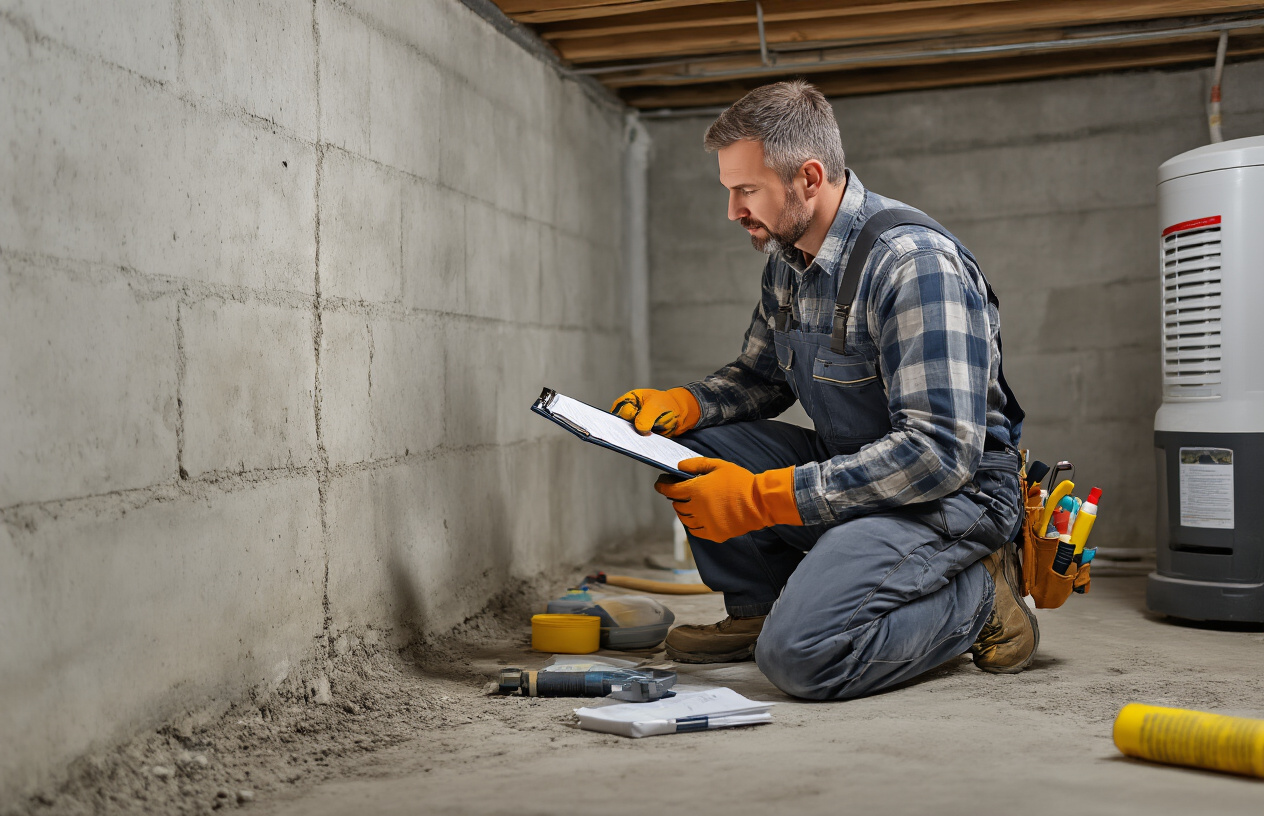
Schedule regular foundation inspections
Foundation inspections should happen twice yearly - once in spring after winter thaw and again in fall before freezing temperatures arrive. Walk around your entire foundation perimeter, looking for new cracks, shifts in settlement, or changes in existing damage. Even hairline cracks deserve attention since water finds its way through the smallest openings.
Check both interior and exterior foundation walls using a flashlight to spot problems early. Document any findings with photos and measurements to track changes over time. Pay special attention to areas where different materials meet, such as where concrete meets brick or where additions connect to original structures.
Professional basement waterproofing inspections every three to five years provide expert assessment beyond what homeowners can accomplish alone. These comprehensive evaluations identify structural concerns and water infiltration risks before they become expensive repairs.
Create a simple inspection checklist covering:
-
Visible cracks in foundation walls
-
Efflorescence (white chalky deposits)
-
Moisture stains or discoloration
-
Pest entry points
-
Settling or shifting indicators
-
Window well condition
-
Foundation plantings that may cause damage
Clean and maintain drainage systems seasonally
Gutters and downspouts require cleaning at least twice yearly, with additional maintenance after major storms. Clogged gutters overflow directly onto foundation walls, creating perfect conditions for water penetration. Remove leaves, debris, and sediment that blocks proper water flow.
Inspect gutter joints and brackets for looseness or damage. Repair small holes immediately and ensure all connections remain watertight. Downspout extensions should direct water at least six feet away from foundation walls.
French drains and foundation drainage systems need annual cleaning to remove accumulated sediment and debris. Professional waterproofing services can flush these systems and verify proper operation. Tree roots often infiltrate drainage pipes, requiring periodic inspection with specialized camera equipment.
Seasonal maintenance tasks include:
| Season | Drainage Tasks |
|---|---|
| Spring | Clear winter debris, test sump pumps, inspect drainage slopes |
| Summer | Monitor during heavy rains, trim vegetation near drains |
| Fall | Final gutter cleaning, prepare systems for winter |
| Winter | Keep drains clear of ice and snow |
Window wells need regular cleaning to prevent water accumulation. Install covers or drainage systems in wells that consistently collect water or debris.
Monitor basement humidity levels consistently
Basement humidity should stay between 30-50% year-round to prevent mold growth and structural damage. Digital hygrometers provide accurate readings and many models include data logging features to track humidity patterns over time.
High humidity often signals water intrusion problems before visible damage appears. Sudden spikes in humidity levels indicate active leaks or moisture sources requiring immediate attention. Seasonal humidity changes are normal, but consistent readings above 60% suggest ventilation or waterproofing problems.
Dehumidifiers become essential tools when humidity consistently exceeds recommended levels. Size dehumidifiers appropriately for basement square footage and consider models with automatic drainage connections for continuous operation.
Install multiple monitoring points throughout larger basements since humidity levels vary significantly between areas. Corners, areas near exterior walls, and spaces around utilities often show higher readings first.
Proper ventilation works alongside humidity monitoring to maintain healthy basement conditions. Ensure adequate air circulation through mechanical ventilation systems or natural airflow paths. Terrace waterproofing and industrial waterproofing techniques used in commercial applications often include sophisticated humidity control systems that residential properties can adapt.
Regular monitoring helps identify patterns linking humidity spikes to weather events, seasonal changes, or specific building conditions. This data proves invaluable when determining the most effective waterproofing solutions for your specific situation.
Choose Professional Waterproofing Services
Evaluate When DIY Solutions Are Insufficient
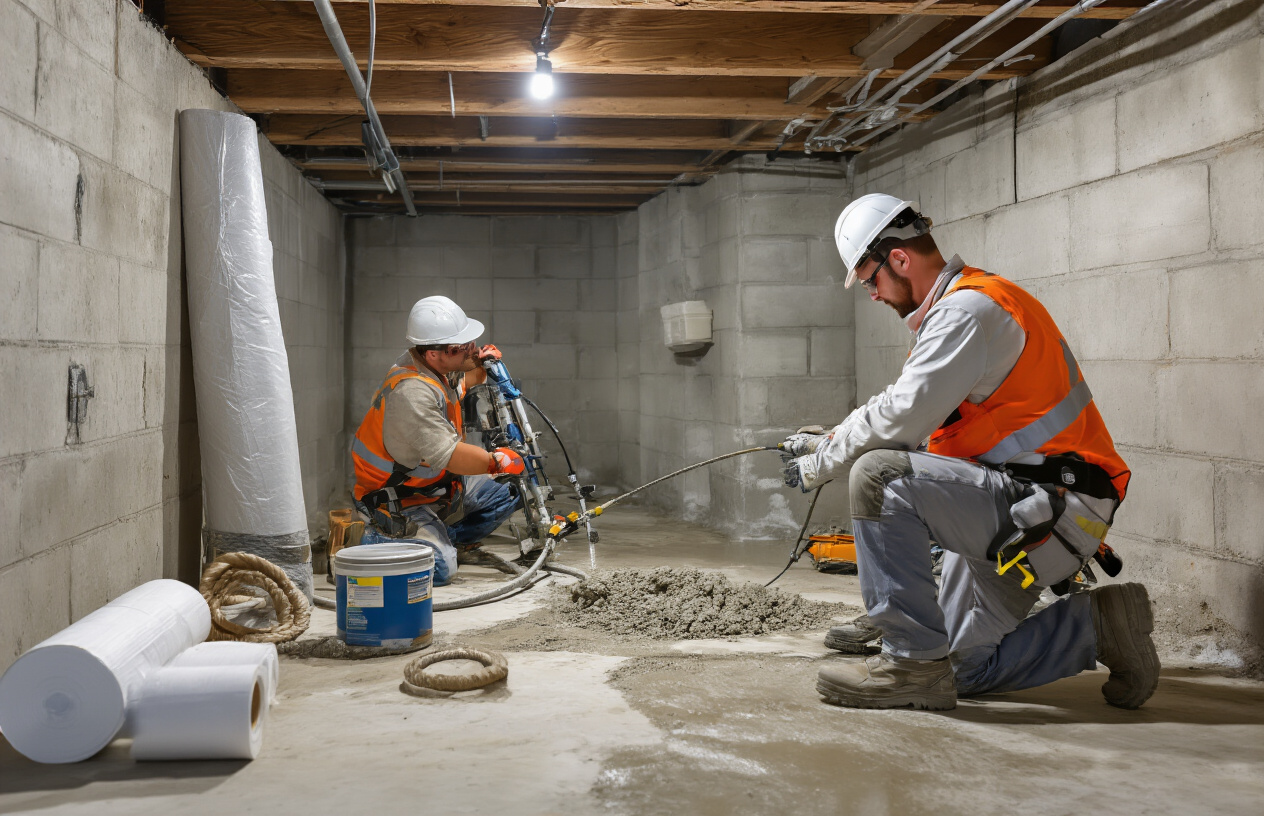
DIY basement waterproofing can handle minor moisture issues, but several warning signs indicate you need professional waterproofing services. When water seepage covers large wall areas, creates standing pools, or returns repeatedly after your repair attempts, the problem runs deeper than surface-level fixes can address.
Structural cracks wider than a quarter-inch, bowing foundation walls, or multiple leak points suggest serious foundation compromise that requires specialized industrial waterproofing techniques. Professional intervention becomes necessary when dealing with hydrostatic pressure issues, where groundwater forces moisture through concrete foundations with such intensity that standard sealants fail within weeks.
Complex drainage problems around your foundation perimeter often require excavation and installation of comprehensive waterproofing systems. DIY methods can't match the equipment and expertise needed for exterior foundation waterproofing, French drain installation, or basement waterproofing that involves modifying your home's drainage patterns.
Persistent humidity problems despite dehumidifier use, recurring mold growth, or electrical hazards from water near outlets demand immediate professional assessment. These situations risk your family's health and safety beyond what weekend projects can resolve.
Select Qualified Waterproofing Contractors
Finding reliable waterproofing services requires careful research and verification. Start by checking local licensing requirements and confirm your contractor holds current certifications for basement waterproofing and foundation repair work. Many states require specific licenses for waterproofing contractors due to the technical nature and potential liability involved.
Request references from recent customers who had similar waterproofing services completed. Quality contractors willingly provide contact information for past clients and showcase their basement waterproofing projects through photos or site visits. Look for contractors with at least five years of local experience, as they understand regional soil conditions, climate challenges, and building codes affecting your area.
Verify insurance coverage including general liability and workers' compensation. Waterproofing work involves excavation, chemical applications, and structural modifications that create significant risk exposure. Uninsured contractors leave you financially vulnerable if accidents or property damage occur during your project.
Evaluate their diagnostic approach during initial consultations. Professional waterproofing services should include thorough moisture testing, foundation inspection, and detailed explanations of water intrusion sources. Contractors who immediately propose expensive solutions without proper assessment often lack the expertise needed for effective basement waterproofing.
Compare multiple quotes, but avoid automatically choosing the lowest bid. Quality waterproofing services require proper materials, skilled labor, and comprehensive system design. Extremely low bids often indicate corner-cutting that leads to failed waterproofing and costly repairs later.
Understand Warranty Options for Professional Work
Professional waterproofing services typically offer warranties ranging from five to twenty-five years, depending on the methods and materials used. Comprehensive basement waterproofing systems often include lifetime transferable warranties that add significant value to your property investment.
Different warranty types cover specific aspects of your waterproofing system. Material warranties protect against defects in membranes, sealants, and drainage components, while workmanship warranties cover installation quality and system performance. The best waterproofing services provide combined warranties covering both materials and labor for complete protection.
Read warranty terms carefully to understand coverage limitations and maintenance requirements. Many warranties require annual inspections or specific maintenance procedures to remain valid. Some exclude damage from settling, earthquakes, or extreme weather events, while others provide comprehensive coverage regardless of cause.
Transferable warranties benefit homeowners planning to sell their properties. Quality waterproofing services with transferable warranties become selling points that distinguish your home from competitors. New buyers gain confidence knowing their basement waterproofing includes professional backing and long-term protection.
Document all warranty information and maintain service records for future reference. Professional contractors should provide detailed warranty certificates, system specifications, and maintenance guidelines. This documentation proves essential for warranty claims and helps future service providers understand your waterproofing system design.
Consider extended warranty options for terrace waterproofing or industrial waterproofing applications where exposure conditions are more severe. These harsh environments often justify additional warranty coverage to protect your investment against accelerated wear and unexpected failures.
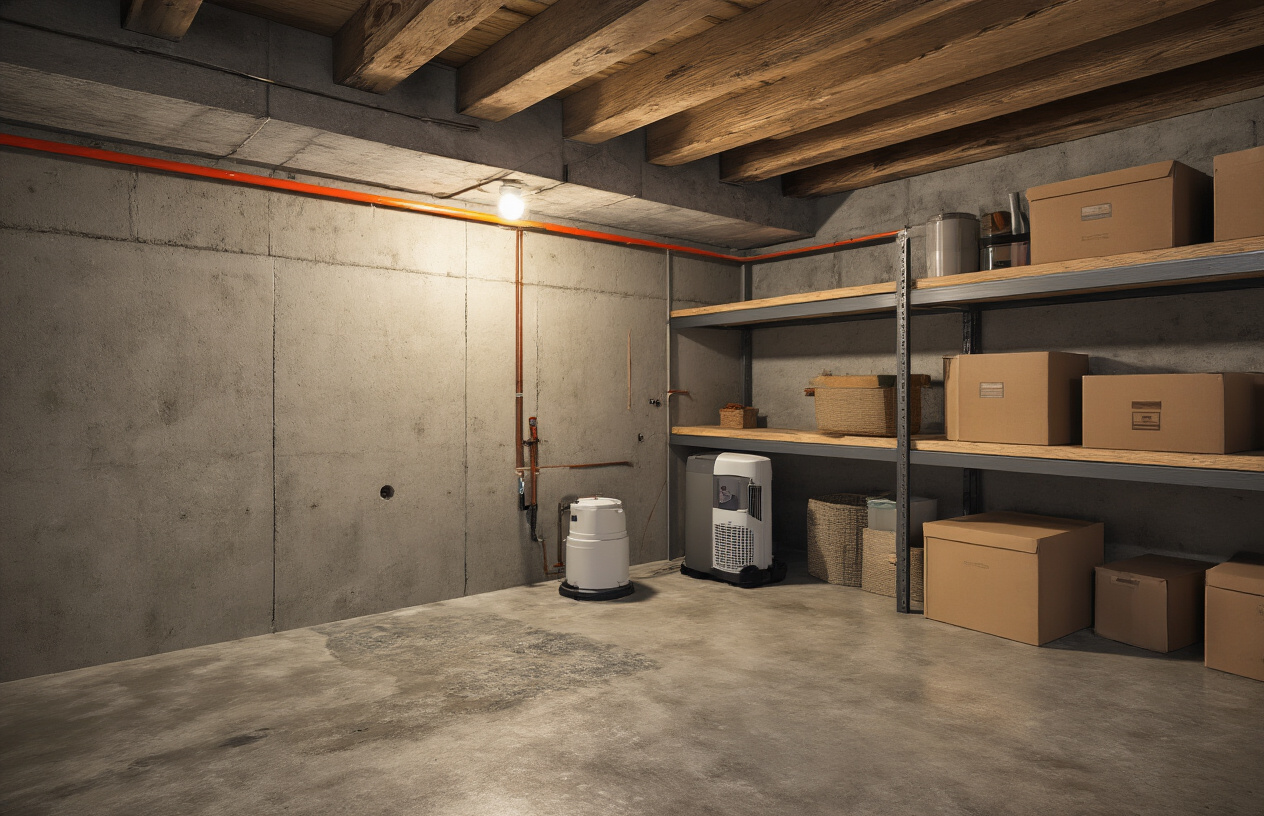
Water damage in your basement doesn't have to be an inevitable headache. By staying alert to warning signs like damp walls, musty odors, and foundation cracks, you can catch problems before they turn into costly disasters. The right combination of exterior drainage systems, interior waterproofing, and regular maintenance creates a strong defense against moisture intrusion.
Taking action now saves you money and stress down the road. Start with simple steps like cleaning your gutters and checking for cracks, then consider professional waterproofing for comprehensive protection. Your basement can stay dry and your foundation can remain strong – you just need to stay proactive and address water issues before they get out of hand.

This is a very helpful guide on protecting basements and lower floors from water intrusion. Moisture usually enters silently, so early detection is crucial. At Wet2Dry Solutions, our seepage repair services help homeowners solve rising dampness, cracks and hidden leaks effectively. Great and practical content!
ReplyDeleteThank you so much for your kind words! 😊
DeleteI’m really glad you found the information helpful. You’re absolutely right — moisture issues often begin quietly, and early detection is the best way to prevent major damage. I appreciate you taking the time to share your thoughts and engage with the content!
This guide on protecting basements is very well-written and easy to follow. You’ve covered the major causes of seepage and how to prevent them effectively. At LeakFoe, we offer reliable waterproofing solutions for basements to stop moisture, cracks, and long-term dampness. Really useful post—thank you!
ReplyDelete