PU Floor Coating: The Ideal Flooring Solution for Pune’s Growing Industrial Landscape
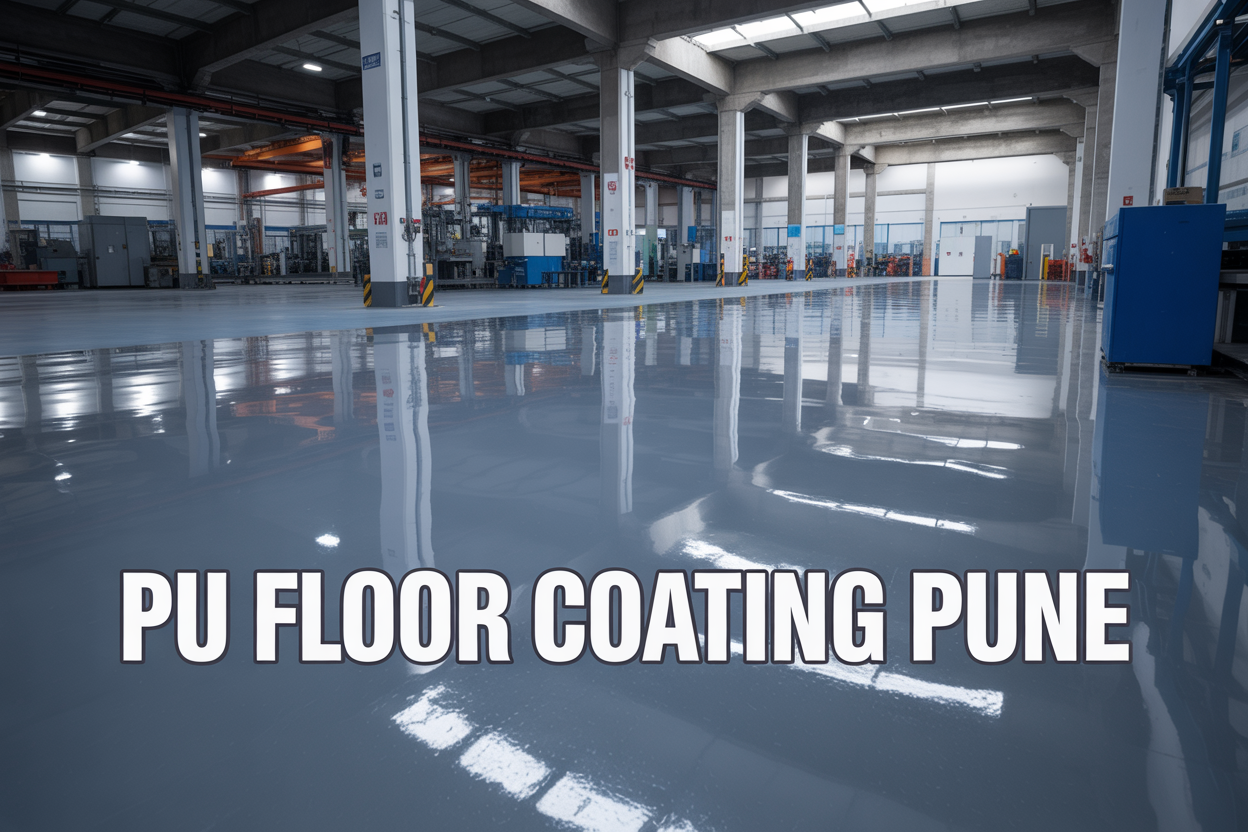
PU Floor Coating: The Ideal Flooring Solution for Pune's Growing Industrial Landscape
Pune's booming industrial sector needs flooring that can handle heavy machinery, chemical spills, and constant foot traffic without breaking down. That's where PU floor coating comes in as a game-changer for manufacturers, warehouse operators, and facility managers across the city.
This guide is designed for:
-
Industrial facility owners and managers in Pune
-
Manufacturing plant supervisors looking for durable flooring options
-
Warehouse operators seeking cost-effective flooring solutions
-
Business owners planning new industrial setups
Polyurethane floor coating has become the go-to choice for Pune's industrial facilities because it delivers unmatched durability and chemical resistance at a reasonable cost. Local businesses are discovering that industrial PU floor coating can transform their operations by reducing maintenance costs and improving workplace safety.
In this comprehensive guide, we'll walk you through the advanced technology behind PU flooring systems and explain why Pune's unique industrial environment makes these coatings essential. You'll also learn about the specific advantages that make PU flooring contractors highly sought after in sectors like automotive, pharmaceuticals, and food processing throughout the region.
Understanding PU Floor Coating Technology and Its Superior Properties
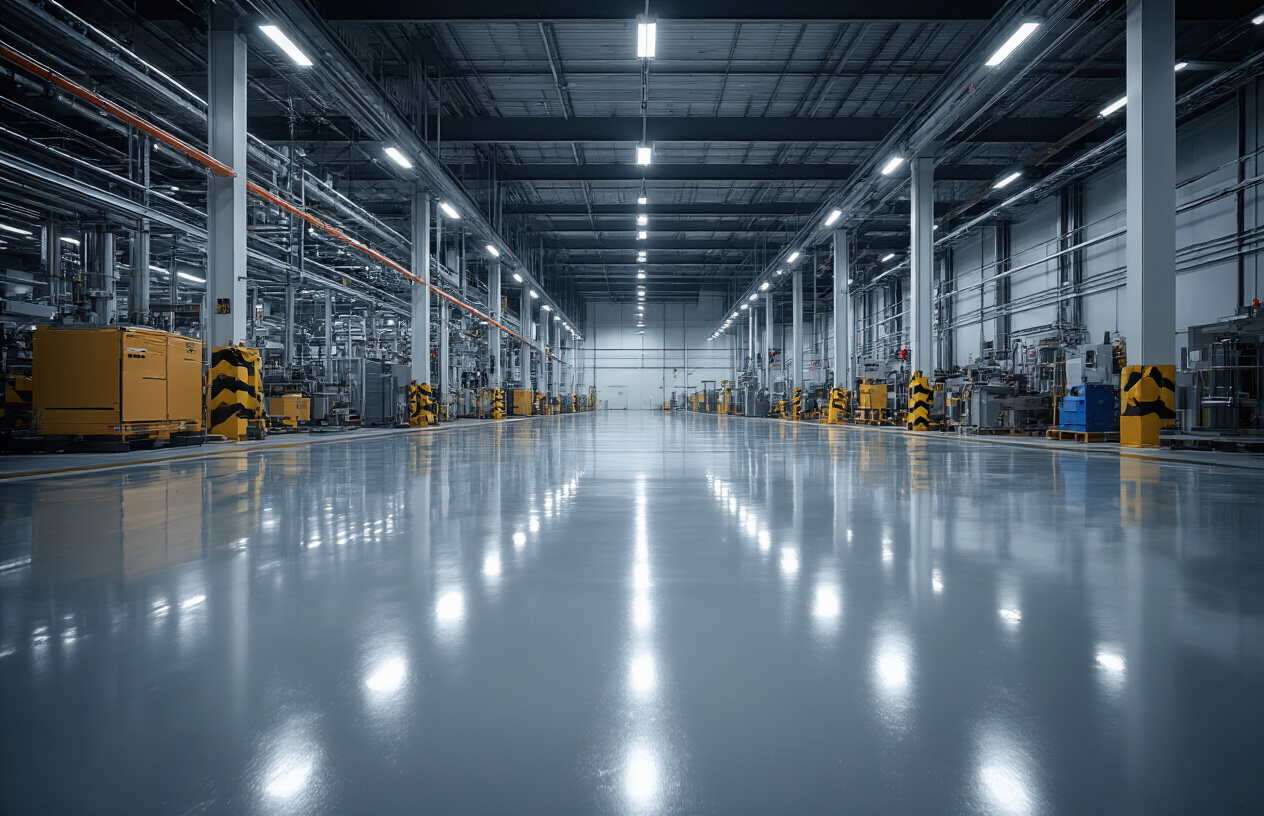
Chemical composition and advanced polyurethane formulation benefits
PU floor coating represents a breakthrough in industrial flooring technology, built on sophisticated polyurethane chemistry that delivers exceptional performance. The advanced formulation combines polyol resins with isocyanate hardeners, creating a thermosetting polymer matrix that bonds molecularly with concrete substrates. This chemical reaction produces a floor surface that's significantly stronger than traditional epoxy coatings.
The polyurethane base provides remarkable flexibility while maintaining structural integrity. Unlike rigid coating systems, PU formulations accommodate thermal expansion and contraction without cracking or delaminating. The cross-linked polymer network resists UV degradation, making it perfect for areas with natural lighting or outdoor industrial applications.
Modern polyurethane floor coating incorporates specialized additives that enhance specific properties. Anti-slip aggregates improve safety in high-traffic zones, while antimicrobial agents prevent bacterial growth in food processing facilities. The formulation's low volatile organic compound (VOC) content meets strict environmental standards while delivering superior adhesion to various substrates.
Exceptional durability and resistance to heavy industrial loads
Industrial PU floor coating withstands extreme mechanical stress that would destroy conventional flooring materials. The coating system handles point loads exceeding 500 kg per square inch without permanent deformation, making it ideal for heavy machinery installations and warehouse operations with forklift traffic.
Chemical resistance sets PU coatings apart from competitors. The polyurethane matrix resists acids, alkalis, oils, and solvents commonly found in manufacturing environments. Spilled chemicals won't penetrate the seamless surface, preventing substrate damage and contamination.
Impact resistance reaches impressive levels, with properly installed systems absorbing hammer blows and dropped tools without chipping or cracking. The coating's elastomeric properties distribute impact forces across a broader area, protecting the underlying concrete from stress fractures.
Temperature cycling from -40°C to 120°C won't compromise the coating's integrity. This thermal stability makes PU flooring in Pune's varying climate conditions particularly valuable, where summer heat and monsoon humidity create challenging environmental conditions.
Seamless application process for maximum efficiency
Professional PU flooring contractors apply the coating system using specialized equipment that ensures uniform thickness and complete coverage. The two-component system requires precise mixing ratios, typically achieved through automated dispensing equipment that eliminates human error.
Surface preparation involves diamond grinding or shot blasting to create the optimal concrete profile for maximum adhesion. The substrate must achieve specific cleanliness standards, removing all contaminants, laitance, and weak concrete layers.
The application process typically involves:
-
Primer coat application for enhanced adhesion
-
Base coat installation using roller or spray methods
-
Optional decorative or functional aggregate broadcast
-
Topcoat sealing for ultimate protection and aesthetics
Curing occurs at ambient temperatures, allowing continued facility operations in adjacent areas. The coating reaches pedestrian traffic strength within 24 hours and full chemical resistance within 7 days.
Cost-effective long-term flooring investment
PU floor coating services deliver exceptional return on investment through extended service life and minimal maintenance requirements. While initial installation costs exceed basic concrete sealing, the total lifecycle cost proves significantly lower than alternative flooring systems.
The seamless, non-porous surface eliminates hiding places for contaminants, reducing cleaning time and chemical usage. Standard maintenance involves simple mopping with neutral pH cleaners, eliminating the need for specialized equipment or harsh chemicals.
Durability translates directly to cost savings. Properly installed PU flooring systems last 15-20 years in heavy industrial environments without major repairs. This longevity eliminates frequent replacement costs and production downtime associated with flooring maintenance.
Energy efficiency improves through the coating's reflective properties, reducing artificial lighting requirements by up to 30%. The smooth surface reduces forklift tire wear and mechanical equipment friction, lowering operational costs across multiple facility systems.
Why Pune's Industrial Sector Demands High-Performance Flooring Solutions
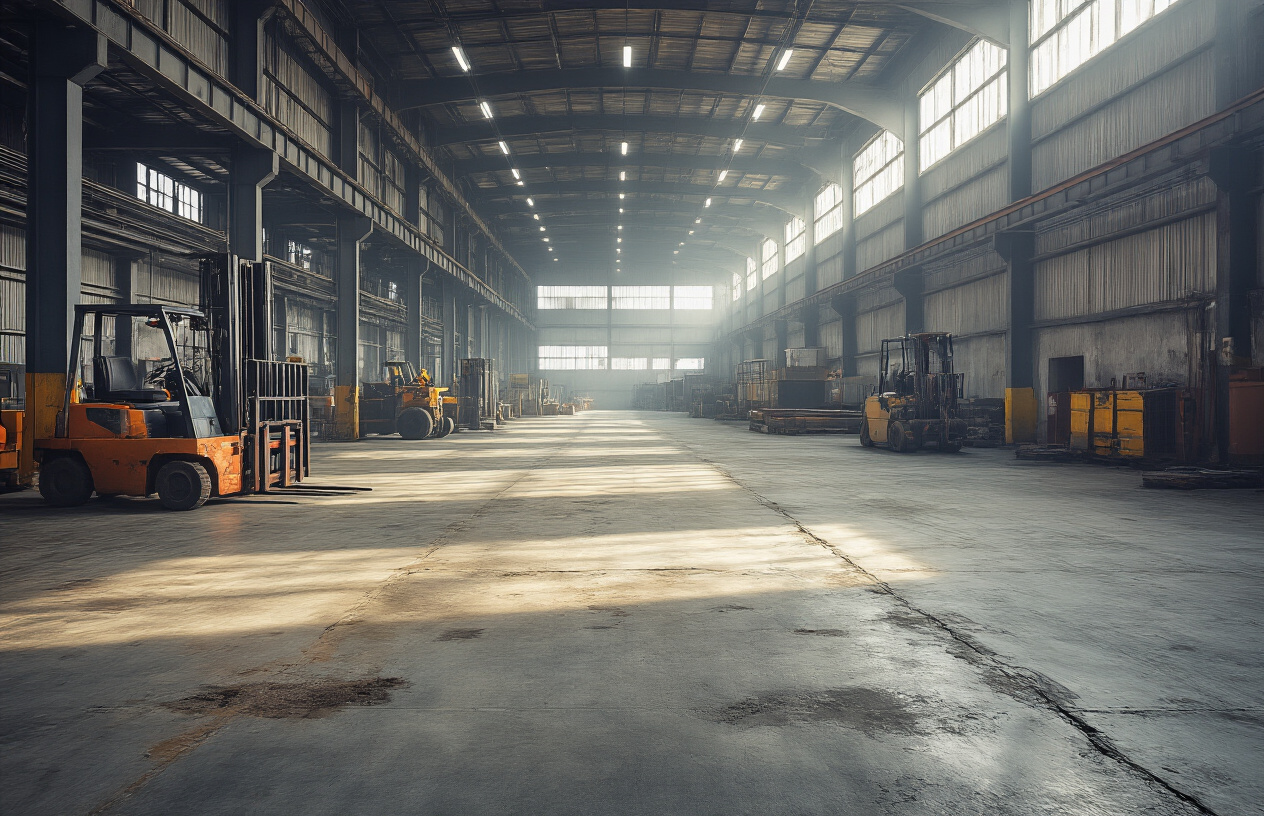
Rapid Industrial Expansion Driving Flooring Requirements
Pune stands as one of India's fastest-growing industrial hubs, with new manufacturing units and production facilities emerging across sectors like automotive, pharmaceuticals, textiles, and electronics. This explosive growth has created an unprecedented demand for robust flooring solutions that can withstand heavy industrial operations.
The city's industrial landscape spans from Pimpri-Chinchwad's automotive corridor to the pharmaceutical clusters in Hinjewadi and beyond. Each new facility requires flooring that can handle everything from heavy machinery vibrations to chemical spills, making PU floor coating an increasingly popular choice among facility managers and industrial planners.
Manufacturing companies are recognizing that traditional concrete floors simply don't cut it anymore. The increased production volumes, heavier equipment, and stricter quality standards demand flooring systems that offer superior performance. Industrial PU floor coating provides the durability and chemical resistance that modern manufacturing environments require.
Diverse Manufacturing Environments Needing Specialized Protection
Pune's industrial diversity presents unique challenges for flooring systems. Automotive plants deal with oil spills, hydraulic fluids, and heavy press operations. Pharmaceutical facilities require sterile, easy-to-clean surfaces that meet stringent regulatory standards. Food processing units need floors that resist bacteria growth while handling frequent washdowns.
Each sector brings specific requirements that generic flooring solutions cannot address effectively.
PU flooring in Pune has gained traction because it can be customized for different industrial applications:
-
Chemical Processing Plants: Need floors resistant to acids, alkalis, and organic solvents
-
Electronics Manufacturing: Require anti-static properties and dust-free environments
-
Textile Mills: Must handle moisture, dyes, and constant foot traffic
-
Cold Storage Facilities: Need thermal shock resistance and low-temperature stability
Climate Challenges Requiring Weather-Resistant Surfaces
Pune's tropical climate brings monsoons, humidity variations, and temperature fluctuations that can wreak havoc on industrial flooring. Traditional epoxy systems often fail under these conditions, developing cracks, delamination, or chemical breakdown.
The monsoon season creates particular challenges with water infiltration, while the dry months bring dust and thermal expansion issues. PU flooring contractors in the region report increasing demand for weather-resistant solutions that maintain their properties year-round.
Polyurethane coatings excel in these conditions due to their inherent flexibility and moisture resistance. Unlike rigid systems that crack under thermal stress, PU floor coating services provide floors that expand and contract naturally with temperature changes while maintaining their protective barrier against moisture ingress.
Key Advantages of PU Floor Coating for Industrial Applications
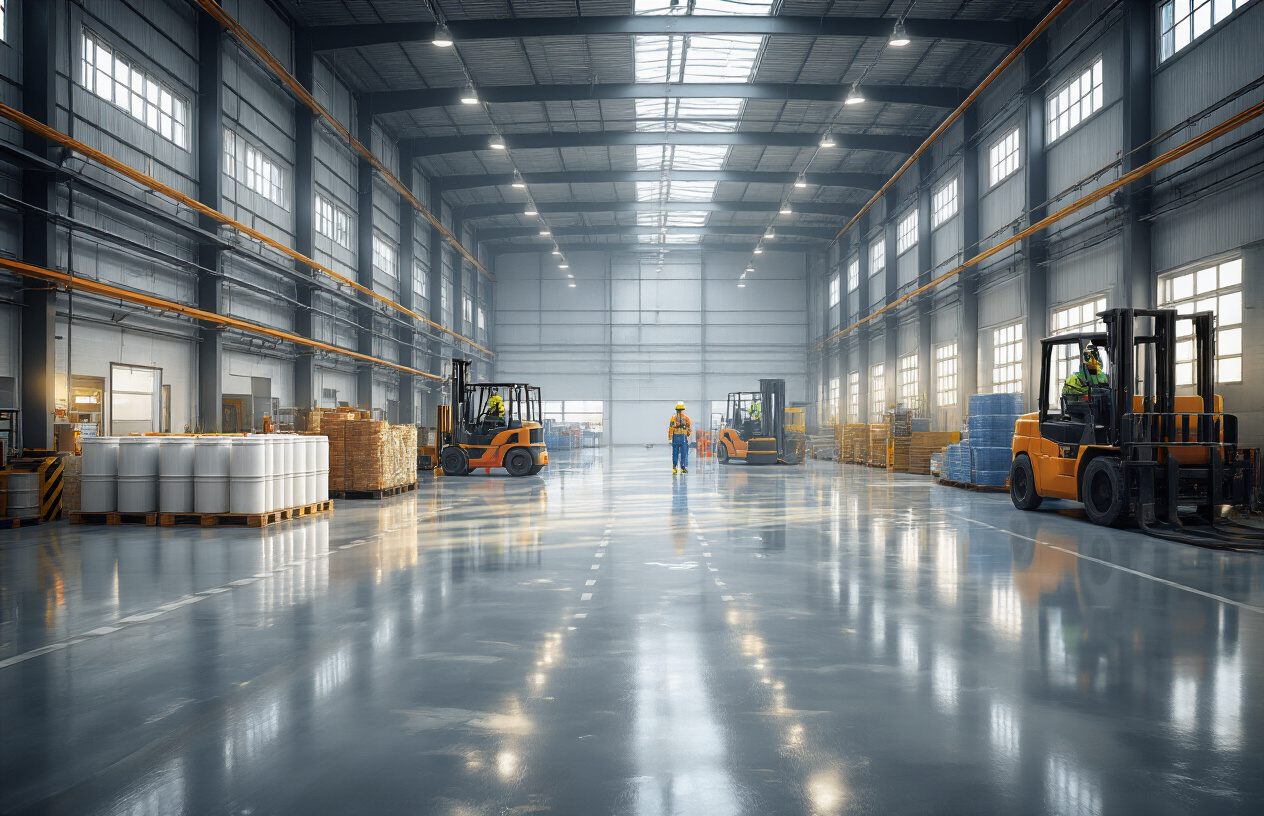
Superior chemical resistance against harsh industrial substances
PU floor coating stands out for its exceptional ability to withstand the most aggressive chemicals commonly found in industrial environments. Unlike traditional epoxy coatings that can break down when exposed to acids, alkalis, or organic solvents, polyurethane formulations maintain their structural integrity even under prolonged chemical exposure.
This chemical resistance proves invaluable across various industrial scenarios. Manufacturing facilities dealing with battery acid, pharmaceutical plants handling cleaning solvents, and chemical processing units working with caustic substances all benefit from PU flooring's protective barrier. The coating creates a non-porous surface that prevents chemicals from penetrating into the concrete substrate, protecting the foundation from costly structural damage.
Industrial PU floor coating also demonstrates superior performance against oil spills, hydraulic fluids, and fuel contamination - common challenges in automotive and aerospace manufacturing. This resistance translates directly into reduced replacement costs and extended floor lifespan, making it a smart investment for Pune's industrial facilities.
Easy maintenance reducing operational downtime
The smooth, seamless surface of PU flooring in Pune installations dramatically simplifies daily cleaning routines. Unlike textured surfaces that trap dirt and debris, polyurethane coatings can be cleaned quickly with standard industrial cleaning equipment, reducing labor costs and maintenance time.
Spill cleanup becomes effortless due to the coating's non-absorbent properties. Liquid spills remain on the surface rather than soaking into porous concrete, allowing for immediate cleanup without staining or odor retention. This quick cleanup capability minimizes production interruptions and maintains hygiene standards critical in food processing and pharmaceutical manufacturing.
The durability of PU floor coating services means fewer repairs and resurfacing projects compared to alternative flooring solutions. Many installations maintain their appearance and performance for decades with minimal intervention, allowing facilities to focus resources on core business operations rather than constant floor maintenance.
Enhanced safety features with slip-resistant properties
Safety takes center stage with properly installed polyurethane floor coating systems. The coating can be customized with various texturing agents and anti-slip additives to create appropriate traction levels for different work environments. High-traffic areas benefit from enhanced grip patterns, while specialized formulations address specific safety requirements in wet processing areas.
The seamless nature of PU coatings eliminates trip hazards caused by joints, cracks, or uneven surfaces common with tile installations. This smooth continuity reduces workplace accidents and workers' compensation claims, creating safer working conditions while protecting employers from liability issues.
Visibility improvements represent another significant safety advantage. PU flooring contractors can incorporate reflective pigments or high-contrast markings that enhance lighting effectiveness and improve visibility of safety zones, emergency equipment, and designated walkways.
Customizable aesthetics matching industrial design needs
Modern industrial facilities recognize that professional appearance impacts employee morale, client impressions, and overall workplace culture. PU floor coating systems offer extensive customization options, from subtle neutral tones that maintain professional standards to bold color schemes that support wayfinding and safety protocols.
Color-coding capabilities help organize different production zones, designate equipment areas, and mark safety boundaries. Pune's manufacturing facilities often use contrasting colors to separate raw material storage from finished goods areas, creating visual organization that improves operational efficiency.
Surface finish options range from high-gloss formulations that maximize light reflection and create bright work environments to matte finishes that reduce glare in precision assembly areas. Some installations incorporate decorative flakes or metallic pigments to create attractive surfaces that rival commercial retail spaces while maintaining industrial performance standards.
The ability to integrate company logos, safety messages, or directional markings directly into the floor coating eliminates the need for separate signage systems while creating cohesive branding throughout the facility.
Specific Industrial Sectors in Pune Benefiting from PU Floor Coating
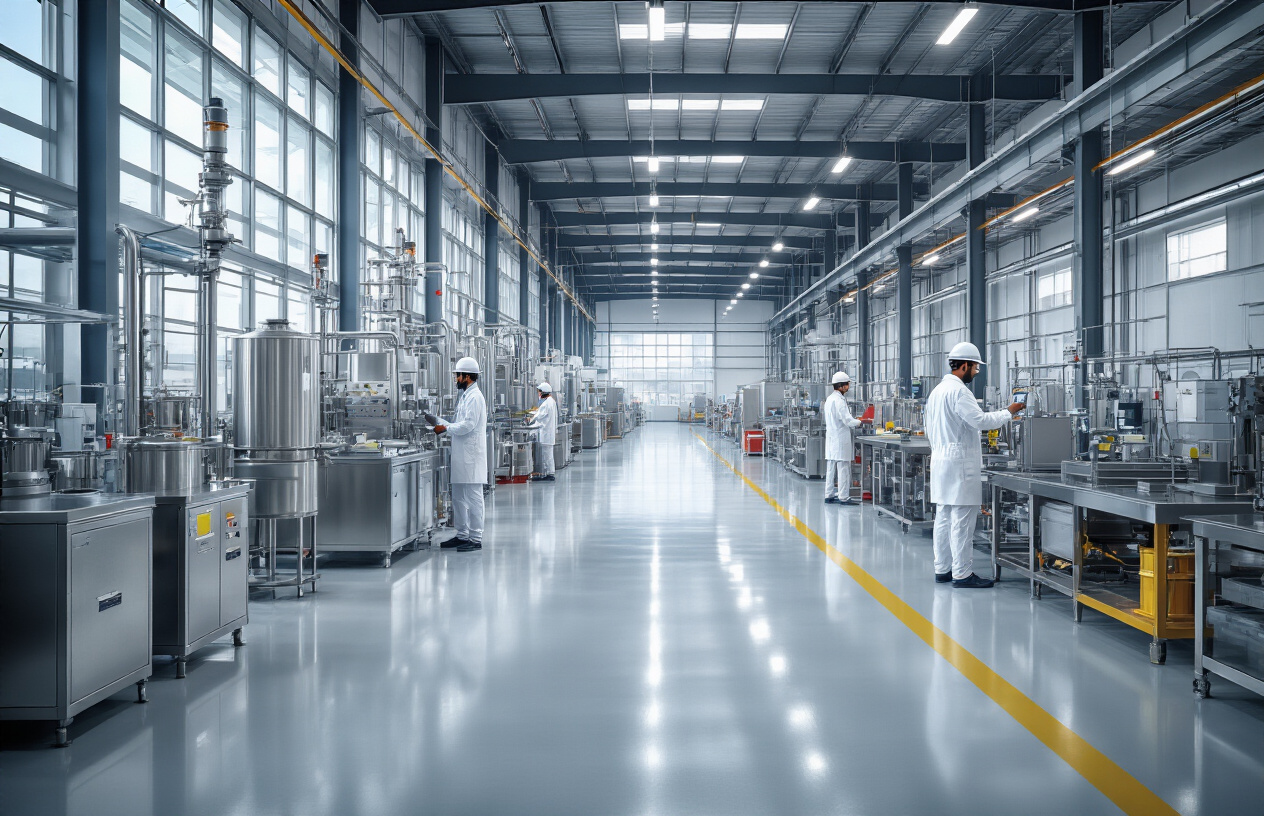
Automotive Manufacturing Facilities Requiring Heavy-Duty Protection
Pune's automotive sector faces unique challenges with constant heavy machinery movement, hydraulic oil spills, and extreme load-bearing requirements. PU floor coating services provide the perfect solution for these demanding environments. Major automotive plants in the region have adopted industrial PU floor coating systems that withstand forklift traffic, welding sparks, and chemical exposure from cutting fluids and lubricants.
The seamless nature of PU flooring in Pune automotive facilities eliminates joints where contaminants could accumulate, making cleaning operations more efficient. These floors maintain their integrity even under the weight of stamping presses and assembly line equipment, ensuring minimal downtime for maintenance. The chemical resistance properties protect against battery acid spills and coolant leaks that are common in automotive manufacturing.
Pharmaceutical Companies Needing Hygienic and Cleanable Surfaces
Pharmaceutical manufacturing demands the highest standards of cleanliness, making polyurethane floor coating an essential choice for these facilities. The non-porous surface prevents bacterial growth and allows for thorough sanitization using aggressive cleaning chemicals. PU flooring contractors in Pune have installed specialized systems in clean rooms and sterile manufacturing areas where contamination control is critical.
The seamless finish eliminates crevices where particles or microorganisms could hide, meeting strict FDA and WHO guidelines. Temperature fluctuations during sterilization processes don't affect the floor's performance, and the surface remains stable under UV sterilization procedures commonly used in pharmaceutical environments.
Food Processing Units Demanding FDA-Compliant Flooring
Food processing facilities require flooring that meets stringent safety and hygiene standards while handling constant moisture, temperature changes, and aggressive cleaning protocols. PU floor coating systems offer FDA-compliant solutions that resist bacterial growth and provide easy cleanup of food spills and processing residues.
The slip-resistant properties are crucial in wet processing areas, protecting workers from accidents while maintaining productivity. These floors handle thermal shock from hot washing procedures and resist damage from acids used in cleaning and sanitizing operations. The durability ensures long-term performance even with daily high-pressure washing routines.
Textile Industries Requiring Chemical and Stain Resistance
Pune's textile sector deals with various dyes, chemicals, and processing agents that can damage conventional flooring. Industrial PU floor coating provides excellent resistance to textile chemicals, preventing staining and surface degradation. The floors maintain their appearance and functionality even with constant exposure to fabric dyes and finishing chemicals.
The smooth surface facilitates easy removal of fabric fibers and lint, maintaining cleaner work environments. Color stability remains intact despite exposure to bleaching agents and other harsh chemicals used in textile processing.
Electronics Manufacturing Requiring Static-Free Environments
Electronics manufacturing facilities need specialized flooring to prevent static electricity buildup that could damage sensitive components. PU flooring in Pune electronics plants incorporates conductive properties that safely dissipate static charges while maintaining all other performance characteristics. These floors protect expensive equipment and ensure product quality in semiconductor and circuit board manufacturing operations.
Installation Process and Professional Implementation Standards
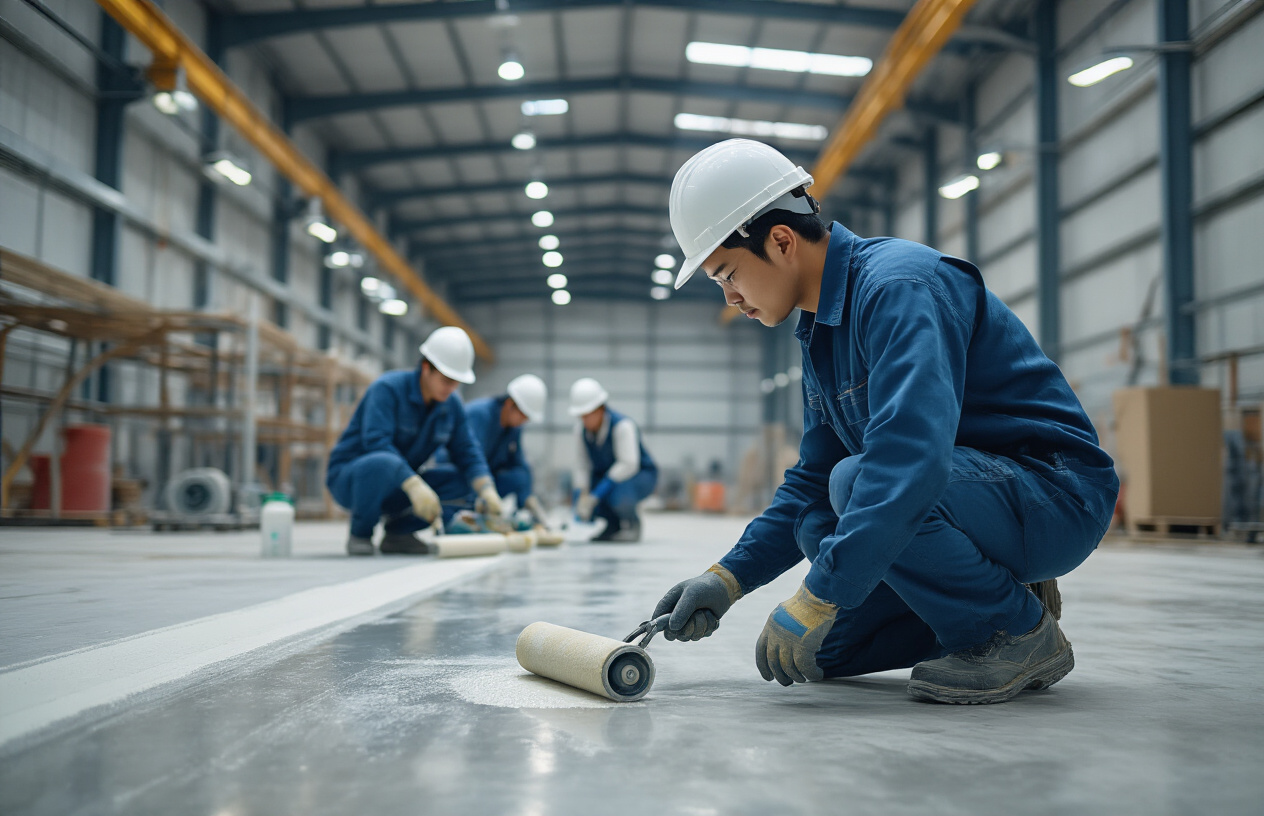
Surface preparation techniques for optimal adhesion
The success of any PU floor coating installation depends heavily on proper surface preparation. Professional PU flooring contractors in Pune understand that even the highest-quality polyurethane coatings will fail if applied to poorly prepared surfaces.
Diamond grinding represents the gold standard for concrete surface preparation. This mechanical method removes surface laitance, opens the concrete pores, and creates the ideal surface profile for maximum adhesion. The process typically achieves a Concrete Surface Profile (CSP) of 2-3, which provides the perfect texture for PU coating bonding.
Shot blasting offers another effective preparation method, especially for larger industrial floors. This technique removes contaminants while creating uniform surface roughness across the entire area. Professional contractors often prefer this method for extensive warehouse floors where consistent preparation is critical.
Surface moisture testing cannot be overlooked. Concrete moisture levels must remain below 4% before applying any polyurethane floor coating. Professional teams use both calcium chloride tests and relative humidity probes to ensure accurate readings. Any moisture issues require proper vapor mitigation systems before proceeding with the coating application.
Oil and chemical contamination demands specialized cleaning protocols. Degreasing agents, followed by alkaline cleaners, effectively remove industrial residues that could compromise adhesion. Some situations require mechanical removal of heavily contaminated concrete sections before proceeding with the coating process.
Professional application methods ensuring quality results
Expert PU flooring contractors employ specific techniques that separate professional installations from amateur attempts. Temperature and humidity control during application directly impacts coating performance and longevity.
The primer application sets the foundation for the entire system. Professional contractors apply primers using specialized rollers or spray equipment, maintaining consistent mil thickness across the surface. Cross-rolling techniques ensure complete coverage without leaving roller marks or thin spots.
Base coat application requires careful attention to mixing ratios and pot life limitations. Professional teams use graduated mixing containers and mechanical mixers to achieve homogeneous blends. The material gets applied using notched squeegees followed by spike rollers to eliminate air bubbles and achieve uniform thickness.
Professional contractors understand the critical importance of maintaining wet edges during application. Large areas get divided into manageable sections, with teams working systematically to prevent lap marks. Multiple applicators work in coordination, ensuring seamless transitions between sections.
Quality control measures include thickness gauges to verify proper mil build-up throughout the application process. Professional teams document these measurements, providing clients with detailed records of the installation specifications.
Curing time and operational readiness schedules
Industrial PU floor coating projects in Pune require carefully planned curing schedules that account for local climate conditions and operational requirements. Professional contractors develop detailed timelines that balance cure times with business continuity needs.
Initial foot traffic typically becomes possible within 8-12 hours after final coat application, depending on temperature and humidity conditions. However, this represents light foot traffic only – full operational loads require extended curing periods.
Light equipment and wheeled traffic can usually resume after 24-48 hours, but heavy machinery and forklift operations should wait until the coating reaches full cure strength. This complete curing process typically takes 7 days under normal conditions.
Temperature significantly affects curing schedules. Higher temperatures accelerate the process, while cooler conditions extend curing times. Professional PU flooring contractors adjust their schedules accordingly, sometimes using heating systems to maintain optimal curing conditions during cooler months.
Humidity levels also impact curing performance. Excessive humidity can cause surface defects, while very low humidity may lead to improper cross-linking. Professional installations include environmental monitoring throughout the curing period.
Chemical resistance reaches full development only after complete cure. Facilities planning to introduce aggressive chemicals should wait the full 7-day period before exposing the new coating to these substances. Early chemical exposure can permanently compromise the coating's protective properties.
Maintenance Best Practices for Maximum Longevity
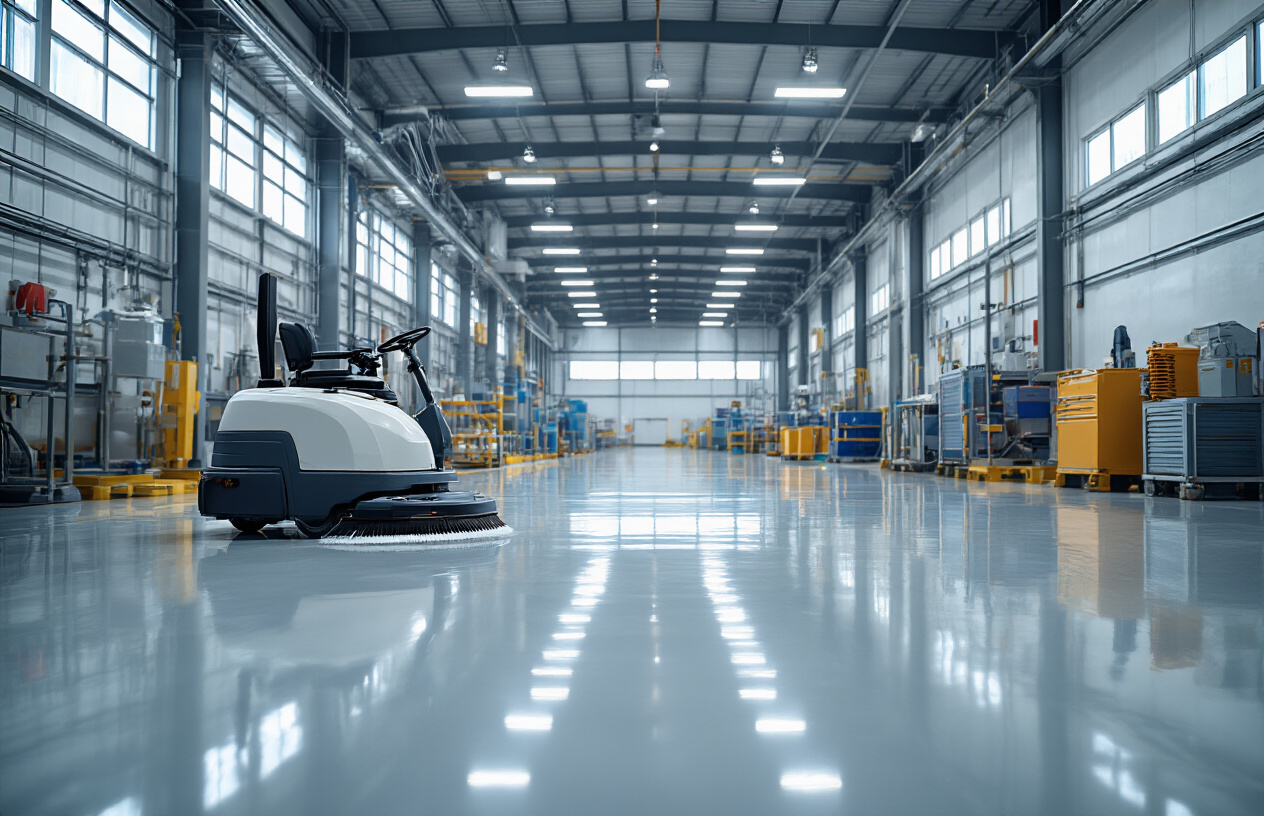
Regular Cleaning Protocols Preserving Coating Integrity
Daily cleaning routines make all the difference when it comes to maintaining your PU floor coating investment. Start each day with a thorough sweep using a soft-bristled broom or dust mop to remove loose debris that could scratch the surface. For deeper cleaning, use a pH-neutral detergent mixed with warm water - harsh chemicals can break down the polyurethane coating over time.
Weekly deep cleaning should involve damp mopping with specialized cleaners designed for polyurethane surfaces. Many PU flooring contractors recommend specific cleaning products that won't compromise the coating's chemical resistance. Avoid using abrasive scrubbers or steel wool, which can create microscopic scratches where dirt and bacteria can accumulate.
High-traffic areas need extra attention. These zones should be cleaned more frequently and inspected for early signs of wear. Industrial facilities in Pune often benefit from establishing cleaning stations near entrances to minimize dirt and moisture being tracked across the PU floor coating.
Preventive Maintenance Scheduling for Sustained Performance
Smart maintenance scheduling prevents costly repairs and extends your flooring's lifespan significantly. Monthly inspections should focus on identifying potential problem areas before they become major issues. Look for signs of delamination, bubbling, or unusual wear patterns that might indicate underlying problems.
Quarterly professional assessments by qualified PU flooring contractors help catch issues that untrained eyes might miss. These specialists can evaluate coating thickness, adhesion quality, and overall performance metrics. They'll also check drainage systems and expansion joints that affect floor performance.
Annual maintenance should include comprehensive testing of the coating's chemical resistance and slip resistance properties. This timing allows for planned maintenance during scheduled downtime rather than emergency repairs that disrupt operations.
Create maintenance logs to track cleaning schedules, inspection results, and any repairs performed. This documentation helps predict future maintenance needs and validates warranty claims if issues arise.
Minor Repair Techniques Extending Floor Life
Addressing small problems quickly prevents them from becoming expensive headaches. Surface scratches can often be buffed out using fine abrasives followed by a protective topcoat application. This technique works particularly well for industrial PU floor coating systems that experience regular equipment traffic.
Small chips or gouges require different approaches depending on their depth. Shallow damage can be filled with compatible polyurethane repair compounds that cure to match the existing floor's properties. Deeper damage might need professional patching to maintain the floor's integrity and appearance.
Resealing high-wear areas every 2-3 years helps maintain protection without full floor replacement. This process involves light surface preparation followed by topcoat application. Many facilities find this approach cost-effective for maintaining their PU flooring in Pune installations.
Temperature and humidity control during repairs affects cure times and final results. Plan repair work during optimal conditions when possible. Keep spare coating materials on hand for quick repairs - matching color and finish becomes easier when using materials from the same batch as the original installation.
Training maintenance staff on basic repair techniques reduces response time and costs. Simple repairs like crack sealing or small area recoating can be handled in-house with proper training and materials.
Pune's industrial growth calls for flooring solutions that can handle the demands of modern manufacturing and production facilities. PU floor coating emerges as the clear winner, offering unmatched durability, chemical resistance, and seamless application that traditional flooring simply can't match. From pharmaceutical plants to automotive facilities, this technology addresses every challenge that Pune's diverse industrial sectors face while maintaining cost-effectiveness over the long run.
The combination of proper installation and regular maintenance makes PU floor coating a smart investment for any industrial facility looking to optimize operations and reduce downtime. If you're managing an industrial space in Pune, consider partnering with certified professionals who understand the specific requirements of your industry. The right PU floor coating system won't just protect your facility—it will become a foundation for your business's continued success in Maharashtra's thriving industrial hub.


Comments
Post a Comment